U.S. Government Leads Way to Collaborative, Team-Based Health Care
Departments of Health and Human Services and Veterans Affairs take innovative actions to promote interprofessional education and practice in health care.
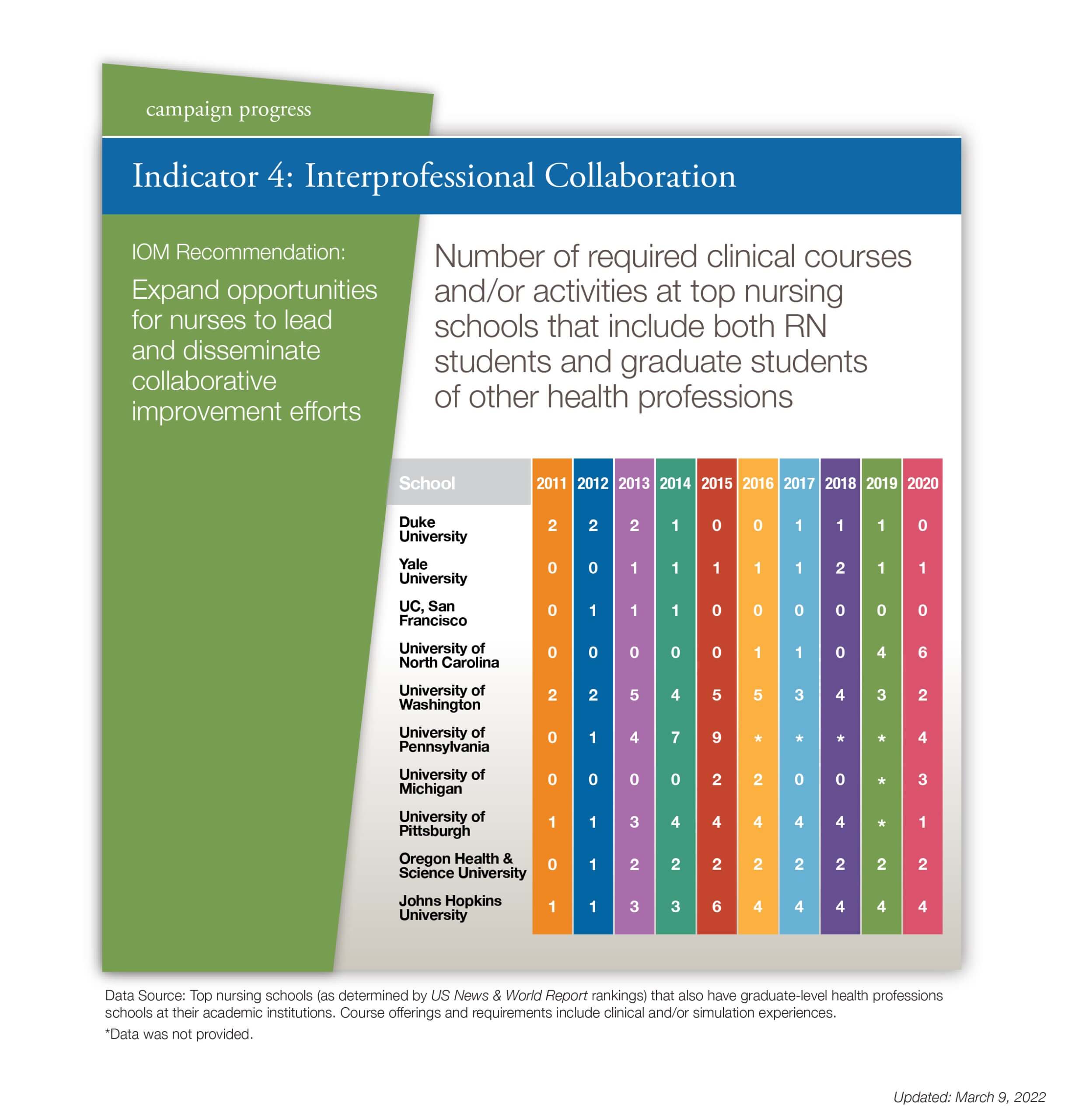
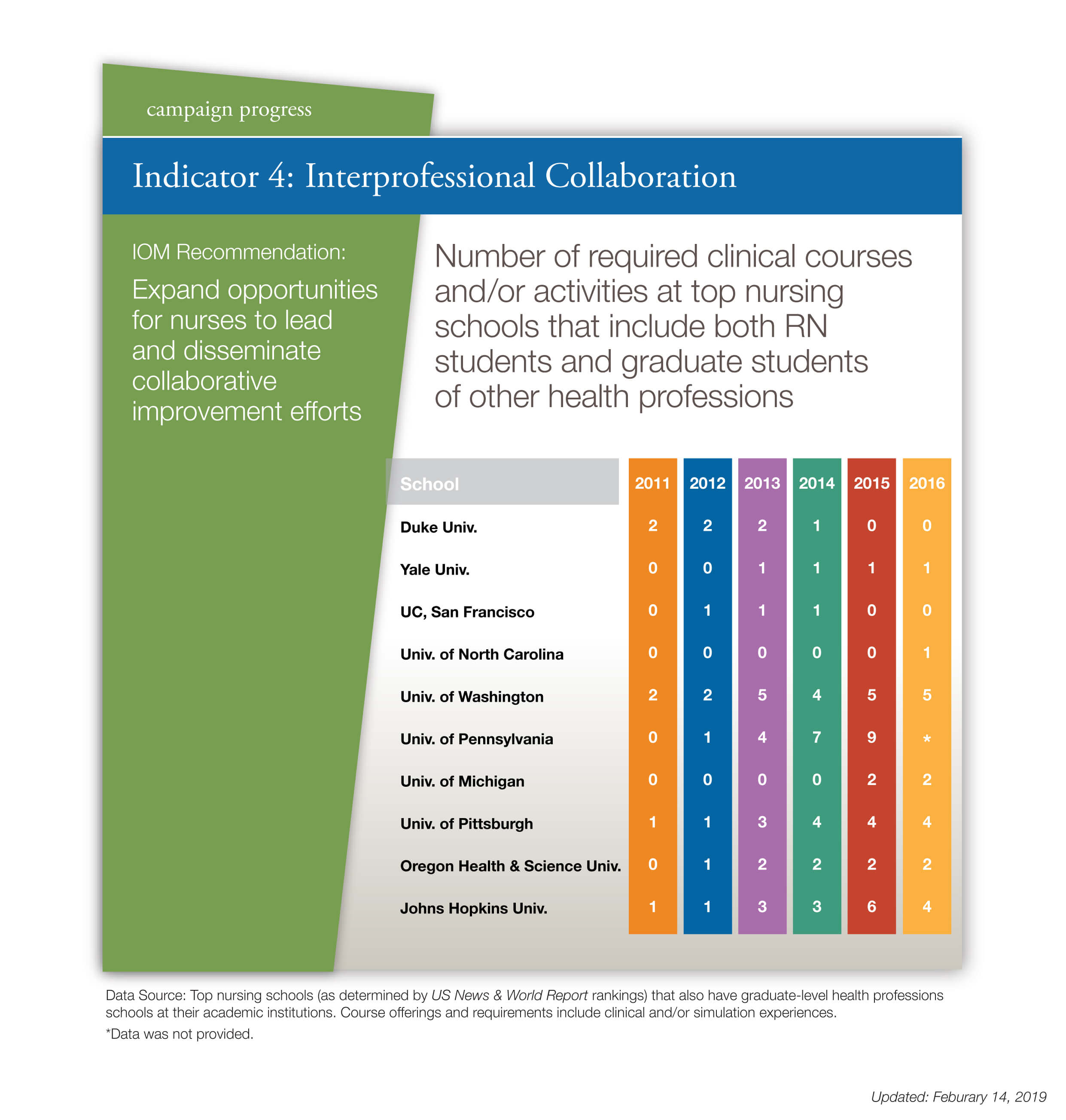
It’s a sad irony of the nation’s health care system: Interprofessional collaboration has been shown to improve health and health care, yet students in nursing, medicine and other health-related fields have little contact with each other while they learn their trades.
They rarely take the same courses, have the same teachers, or participate in the same discussion groups, according to a 2010 report on the nursing profession by the Institute of Medicine (IOM). And when they graduate, they are less likely to collaborate and coordinate well—and patients, experts say, pay the price in a lower quality of care.
The federal government is trying to change that unfortunate reality.
The U.S. Department of Veterans Affairs and the U.S. Department of Health and Human Services are taking leading roles in promoting interdisciplinary education and interprofessional practice. The effort complements a national movement to break down educational silos so that nurses, doctors, dentists, pharmacists, social workers, and other health professionals learn skills that encourage and enable them to work better as members of health care teams.
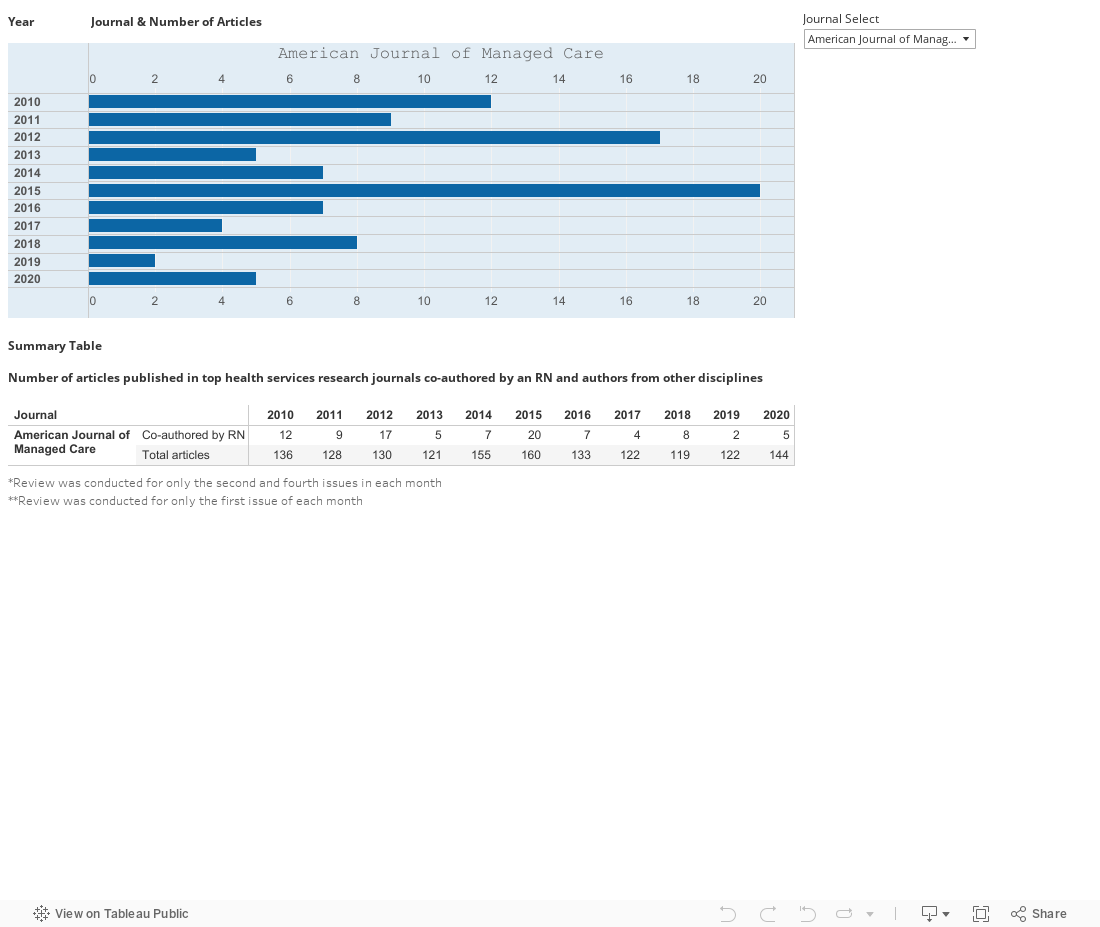
“The federal government is trying to make interprofessional collaboration the new normal,” said Susan Hassmiller, PhD, RN, FAAN, senior adviser for nursing at the Robert Wood Johnson Foundation (RWJF) and director of the Future of Nursing: Campaign for Action, a national initiative backed by RWJF and AARP that is working to transform the nursing profession to improve health and health care. One of the campaign’s goals is to promote interdisciplinary education and interprofessional collaboration.
The Health Resources and Services Administration (HRSA), a division of the Department of Health and Human Services, is off to a good start. It recently launched a new coordinating center to provide national leadership in the field of interprofessional education and collaborative practice.
HRSA also is incorporating interprofessional collaboration into its nursing and physician workforce training efforts and into the curricula of dozens of local and regional health education centers around the country. “Interprofessional collaboration is a strategic priority for HRSA,” said Julie Sochalski, PhD, RN, FAAN, director of the division of nursing at HRSA’s Bureau of Health Professions. “We have the opportunity to really change the trajectory in how we’re delivering care and to ensure that when anybody goes in for an episode of care, an increasing amount of that is provided in a team-based way.”
The Department of Veterans Affairs (VA), meanwhile, has launched a major new effort to foster team-based primary care at VA hospitals and health care facilities across the country. It is the largest and broadest initiative in the country to integrate interprofessional collaboration into primary care, according to Cathy Rick, RN, NEA-BC, FACHE, the VA’s chief nursing officer.
“The expectation for collaborative practice has always been there,” Rick said. But new efforts are putting an “oomph” behind that standard. “You can talk about collaborative practice all you want, but unless you put systems in place to support and evaluate it, it isn’t necessarily going to happen. This is now part of our strategic plan.”
Decades in the Making
The new emphasis on interprofessional education and practice has been decades in the making.
Ever since the 1970s, health experts have called for more collaboration in the wake of evidence that linked cooperative, team-based care with better patient and family outcomes, more efficient use of resources, and higher levels of satisfaction, according to the IOM report on the future of nursing. Poor communication and lack of respect between physicians and nurses, on the other hand, can undermine the quality of care, the report said.
Better quality care is especially important as the nation’s population ages and as the new health reform law ushers millions more patients into the system—factors that further strain the nation’s health care system. More collaborative practice and team-based care may provide ways to curb current and looming provider shortages, experts say.
A new emphasis on interprofessional collaboration, however, cannot be limited to practice environments; it must begin at the student level, advocates say. Educating nursing, medical, and other students about each other’s roles and responsibilities in patient health and teaching them effective communication, conflict resolution, and shared decision making skills may help encourage future collaboration in practice environments, according to the 2010 IOM report.
The federal government took a big step toward that goal with a major new initiative to gather and build a stronger body of evidence linking education with collaborative practice to improved health outcomes. In September, HRSA announced it had selected the University of Minnesota to house the new Coordinating Center for Interprofessional Education and Collaborative Practice, now officially called the National Center for Interprofessional Practice and Education.
Funded by HRSA, RWJF, and other leading foundations, the national center will receive nearly $12 million over five years to promote expertise in the field. Through its cooperative agreement with HRSA, it will also work with other federal agencies, such as the Centers for Medicare and Medicaid Services and the Agency for Healthcare Research and Quality, to develop strategies for interprofessional collaboration in practice and education.
“Right now much of this work is happening in isolation,” said Barbara Brandt, PhD, the center director and a professor of pharmacy and associate vice president for education at the Academic Health Center at the University of Minnesota. “The national center will be bringing together many of these activities to rigorously evaluate the link of education to practice while demonstrating the value-added of an interprofessional, team-based practice and education approach to improving health outcomes.”
HRSA also is integrating these concepts into its own workforce training programs. In recent years, it has funded programs to integrate interprofessional education into advanced nursing education programs and to support the development of practice sites and health technologies that advance interprofessional practice.
HRSA also funds the nation’s Area Health Education Centers, a national network of centers in 48 states that provide health care workforce training to enhance quality and accessibility of care in rural and urban underserved areas.
The centers’ emphasis on interprofessional collaboration has helped spur a “national movement that’s sweeping across the country” to integrate interprofessional collaboration into health and health care, said Richard D. Kiovsky, MD, director of the Indiana Health Area Education Network and a co-lead of the Indiana Action Coalition, a group that is working to implement the IOM report recommendations in Indiana.
Health professions schools are now beginning to incorporate interprofessional education competencies into their curricula, and health care accrediting agencies may be adding interprofessional education into their requirements, Kiovsky said. That, he predicts, will play a big role in moving interprofessional education forward.
The VA, for its part, launched the Patient Aligned Care Team (PACT) project two years ago to promote team-based primary care. Federal funds ensure that primary care teams at VA health care facilities are fully staffed, and that providers are well-trained in interprofesional collaboration. The VA is also emphasizing interprofessional collaboration in specialty care and in campaigns to eliminate pressure ulcers and alleviate homelessness among veterans, Rick said.
The effort is paying off, Rick said. The PACT program, for example, has seen success across a range of indicators, including higher patient and staff satisfaction, reduced readmission rates, reduced emergency room visits, better management, fewer face-to-face visits, and increased virtual visits. “I would never have imagined it would be as effective as it has been. We’ve had phenomenal results.”
|
by Meredith Hunter | January 2, 2013 |


Gurkirat Gill